Company History
Over 125 years of water delivery in Northern Colorado
North Poudre Irrigation Company has a long history of serving north-central Colorado. We're proud of the role our company has played over the years in supporting the work of local farmers and ranchers and growing municipalities.
Early history research: "Origin of the North Poudre Irrigation Company" by Ann Hilfinger (Colorado State University Libraries, 1993)
Unstable Beginnings
In the 1870s, Colorado became a state, Fort Collins became a town, and local businessmen and land developers organized to build large-scale diversions of water from the Cache la Poudre River system to serve agricultural land north and east of the area's major waterway.
Three early incorporations of what became the North Poudre Irrigation Company were formed by Fort Collins businessmen to divert water from the North Fork of the Cache la Poudre River and bring it to farm land in the Boxelder Creek valley north of today's town of Wellington. The North Fork Irrigation Canal, the North Fork Irrigation Company, and the North Poudre, Boxelder, and Lone Tree Canal Company all began, and ended, in succession between 1878 and 1880 without actually constructing a ditch.
In 1880, a new group incorporated as the North Poudre Land, Canal, and Reservoir Company. With loans from out-of-state institutional investors secured by 16,000 acres of undeveloped land, the company began construction of the North Fork Canal — now known as the North Poudre Main Ditch.
By 1886, the major institutional investor, Traveler's Insurance Company, had foreclosed and taken over operation. Some of the land under the ditch in the Boxelder Valley was being farmed, but the ditch was not yet complete and water was insufficient to meet season-long needs.
In 1896, Traveler's Insurance sold the company to F.C. Grable, a Larimer County irrigation developer who later became one of the founders of Wellington. Once again the company failed financially. In 1898 it entered receivership under the control of a Philadelphia investor. Most of its 16,000 acres remained unsold and unirrigated.
Foundation for the Future
In 1901, a group of Greeley and Fort Collins developers bought the assets of the defunct North Poudre Land and Canal Company for $67,000. What the new owners got was not promising: one ditch that needed repair; seven planned or partly-built reservoirs (Reservoirs #1 and #2 built in 1886 and 1893); about 16,000 acres of land north of Fort Collins; and little reliable water.
On August 1, 1901, the North Poudre Irrigation Company came into being.
Yet over the next twenty years, these early leaders developed infrastructure and organization that still supports NPIC operations today.
Expanded Infrastructure and Supply
By the end of 1901, stockholders authorized company president Burton Sanborn to increase shares of capital stock by 266%, raising significant funds for infrastructure repair and expansion.
Fossil Creek Reservoir, then the largest water storage project in northern Colorado, was begun in 1902. By 1910, Halligan Reservoir and Reservoir #15 had been completed. Both remain key storage resources today. Prior to 1901, portions of the wooden flume carrying diverted water through the North Fork canyon had been replaced with a tunnel through the canyon wall.
These reservoirs permitted NPIC to expand irrigated acreage, support the development of local farm communities, and increase late-season supply. Late-season supply was further secured as the company purchased stock in smaller ditch companies with senior water rights operating within its system.
Reorganization as a Mutual Company
In 1906, NPIC moved its offices from Greeley to Fort Collins. In 1912, stockholders voted to increase shares from 8,000 to 10,000, providing more capital for infrastructure. More significantly, in 1912 NPIC reorganized as a mutual, non-profit stock company. The customers who used NPIC-delivered water became the company's owners.
When farmers bought NPIC-owned land, they also received NPIC stock. Instead of private investors operating for profit, customer-stockholders could operate the company for their mutual benefit: the efficient and regular supply of water. By 1913, almost all of the 16,000 acres of land owned by NPIC in 1901 had been sold to stockholder-farmers.
More than a century later, NPIC still operates in this mutually beneficial, customer-owned form.
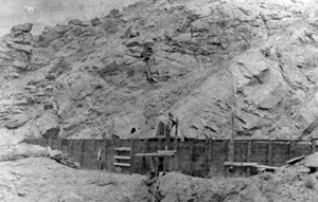
Credit: Fort Collins Museum of Discovery H01186
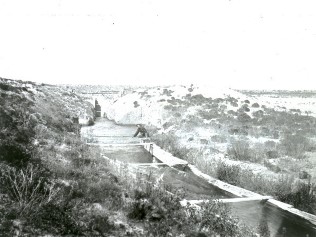
Credit: Fort Collins Museum of Discovery H07698
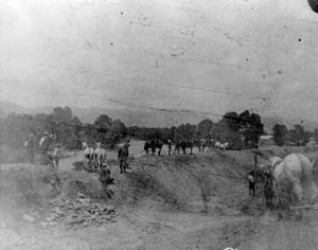
Credit: Fort Collins Museum of Discovery H07556
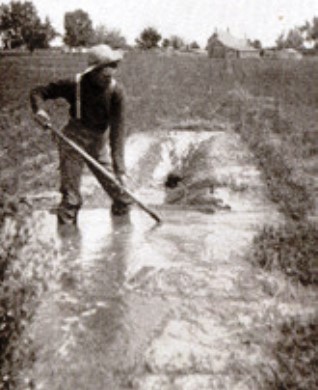
Credit: Fort Collins Museum of Discovery H20822
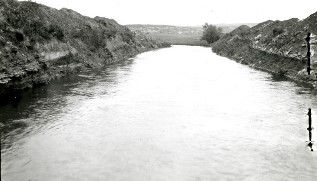
Credit: Fort Collins Museum of Discovery H09847
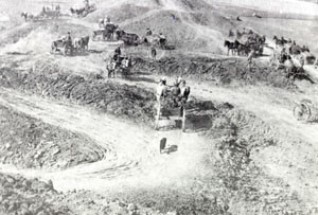
Credit: Fort Collins Museum of Discovery H10102
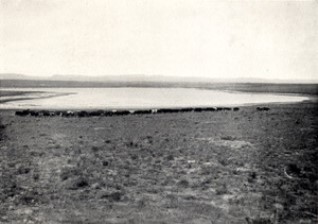
Credit: Fort Collins Museum of Discovery H21726
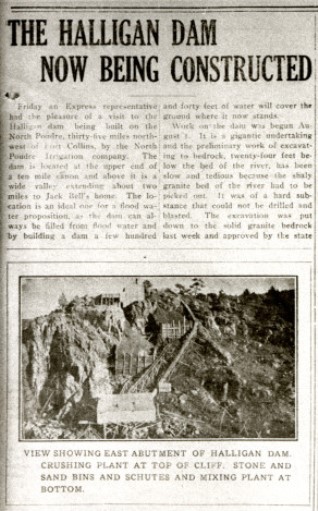
Credit: Fort Collins Museum of Discovery H11294
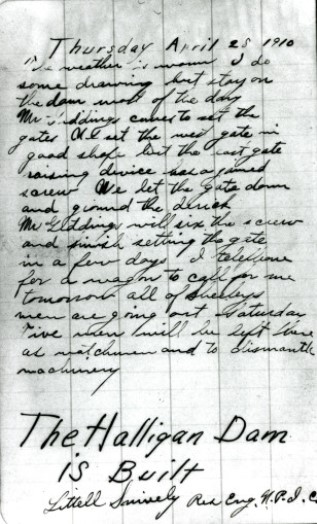
Credit: Fort Collins Museum of Discovery H11297
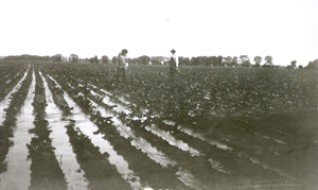
Credit: Fort Collins Museum of Discovery H01140

Credit: Fort Collins Museum of Discovery H00002
Consolidation & Rehabilitation
In the 1920s and 1930s, NPIC built on the foundation begun in the previous decade, expanding its storage and delivery system and consolidating its finances. By the 1930s, some of the company's infrastructure was over 40 years old. With the assistance of the federal Civilian Conservation Corps (CCC), a number of irrigation structures were replaced and repaired.
Within the Boxelder Creek watershed, a number of major floods occurred (1922, 1930, 1933, 1937, 1947). High-intensity, short-duration thunderstorms typical of this part of Colorado caused repeated damage from floodwater, sediment, and erosion to agricultural land and irrigation structures.
In 1938, construction began on the Colorado-Big Thompson (C-BT) Project, a large-scale U.S. Bureau of Reclamation transmountain water diversion project. Originated in response to severe drought in the early 1930s, the C-BT project would divert water from the Colorado River headwaters on the western slope of the Rockies to the Big Thompson River on the eastern slope, for primarily agricultural use in the South Platte River basin.
As a major irrigator in the Cache la Poudre valley, NPIC was involved throughout the 1940s with plans for C-BT water distribution in the eastern plains.
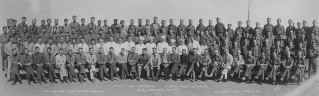
Credit: Fort Collins Museum of Discovery H15386
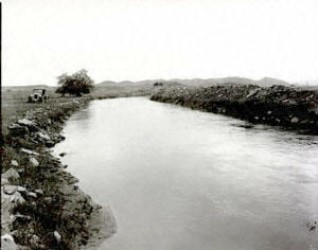
Credit: Fort Collins Museum of Discovery H09791
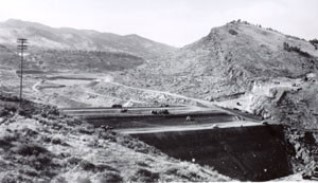
Credit: Fort Collins Museum of Discovery H03493
The Colorado-Big Thompson Era
In the late 1940s, NPIC leaders acted to secure the company's future. Working with the Bureau of Reclamation and the Northern Colorado Water Conservancy District, NPIC agreed to acquire 40,000 units of C-BT water — the largest single acquisition in the C-BT system. Each share of NPIC stock would be eligible for four units.
The acquisition added municipal and industrial uses to the existing irrigation use. NPIC would use its C-BT units extensively for exchange, ensuring water could be delivered to all stockholders throughout the system. NPIC remains the largest holder of C-BT units and a major owner of C-BT water stored in Horsetooth Reservoir.
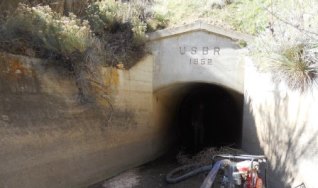
After NPIC acquired necessary land rights (1948–1951), the Bureau of Reclamation constructed the connection between the C-BT system and NPIC. In 1953, the first C-BT water was received via the North Poudre Supply Canal, also known as the Munroe Gravity Canal.
Two developments in the 1950s and 1960s changed the future for NPIC's service area: farmers began to use center-pivot irrigation technology, making irrigation more water-efficient; and construction of Interstate 25, begun in 1964, would facilitate the area's urbanization in later decades.
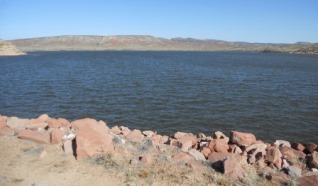
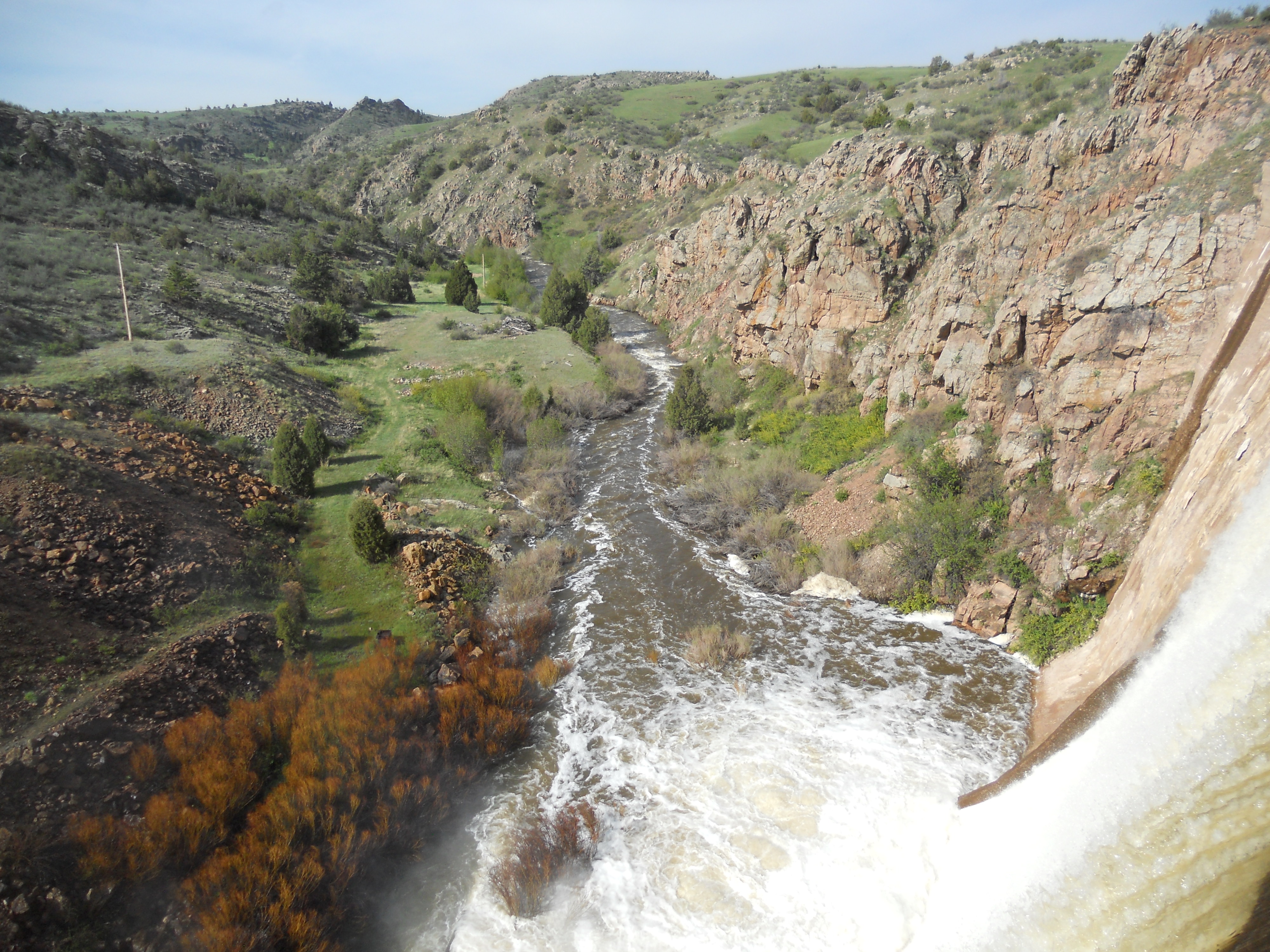
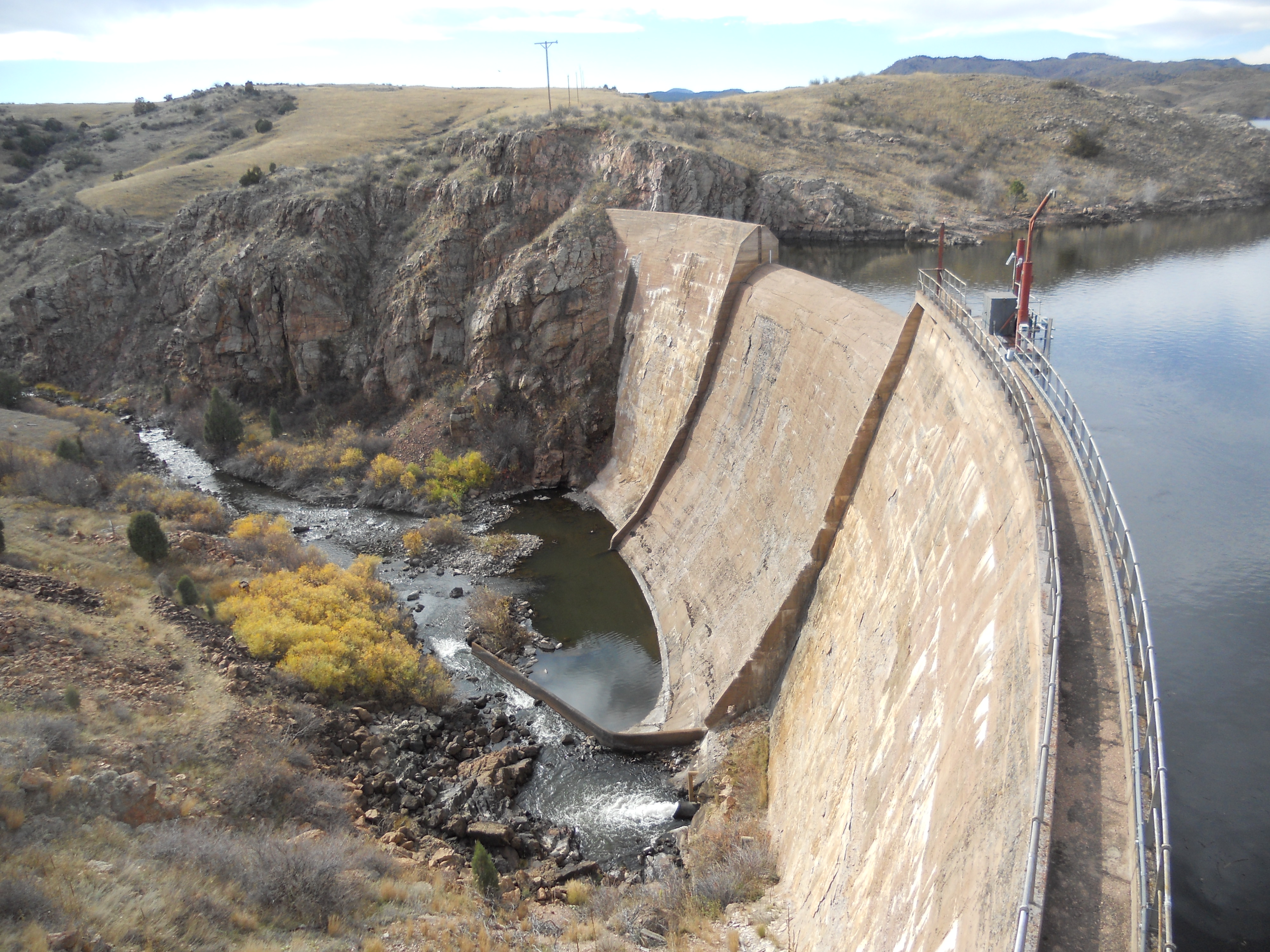
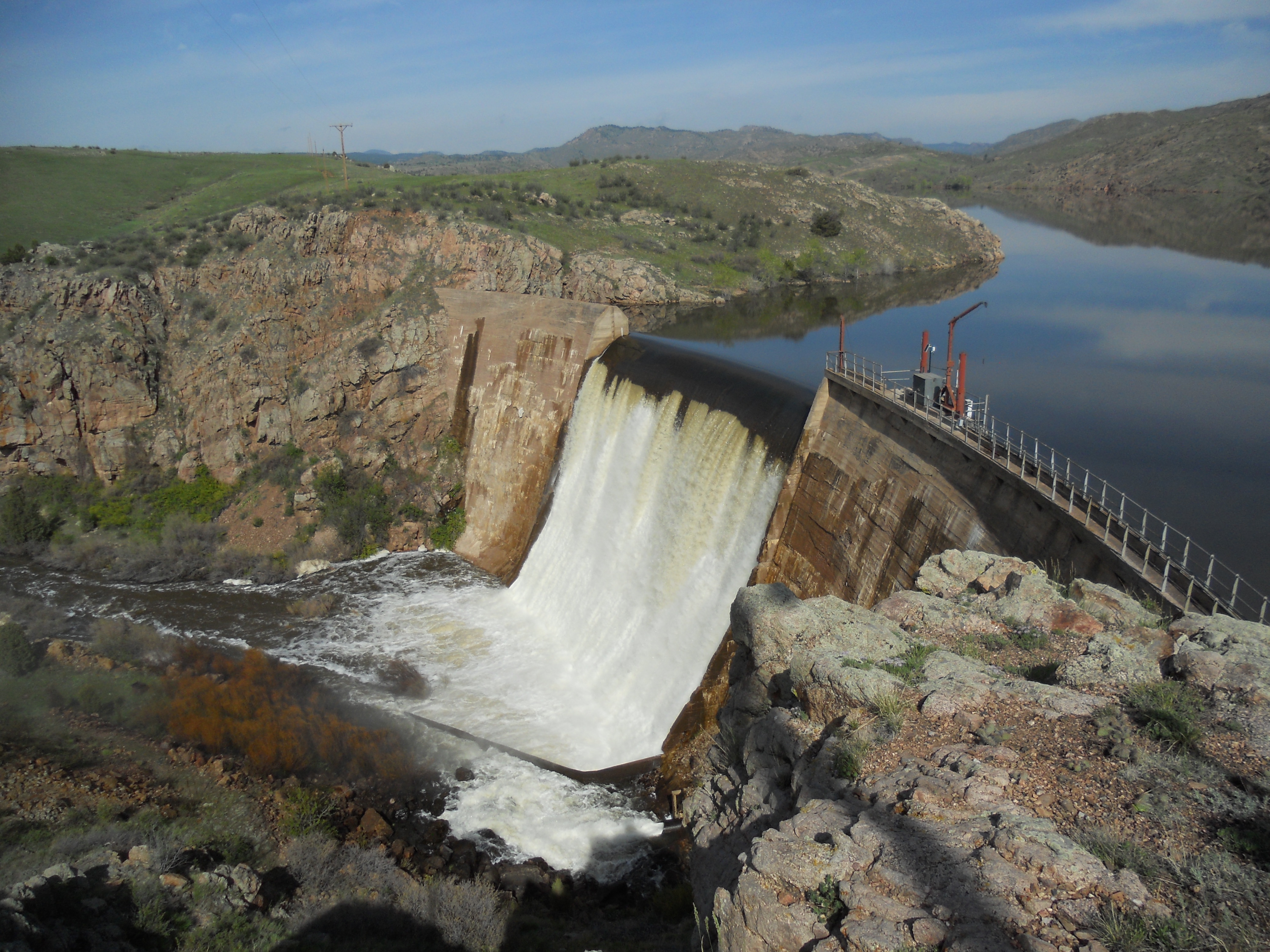
From 1965–1970, NPIC developed Park Creek Reservoir — originally proposed in 1905 — built between Halligan and #15. The Halligan Dam and outlet works were also upgraded in 1970 after sixty years of service.
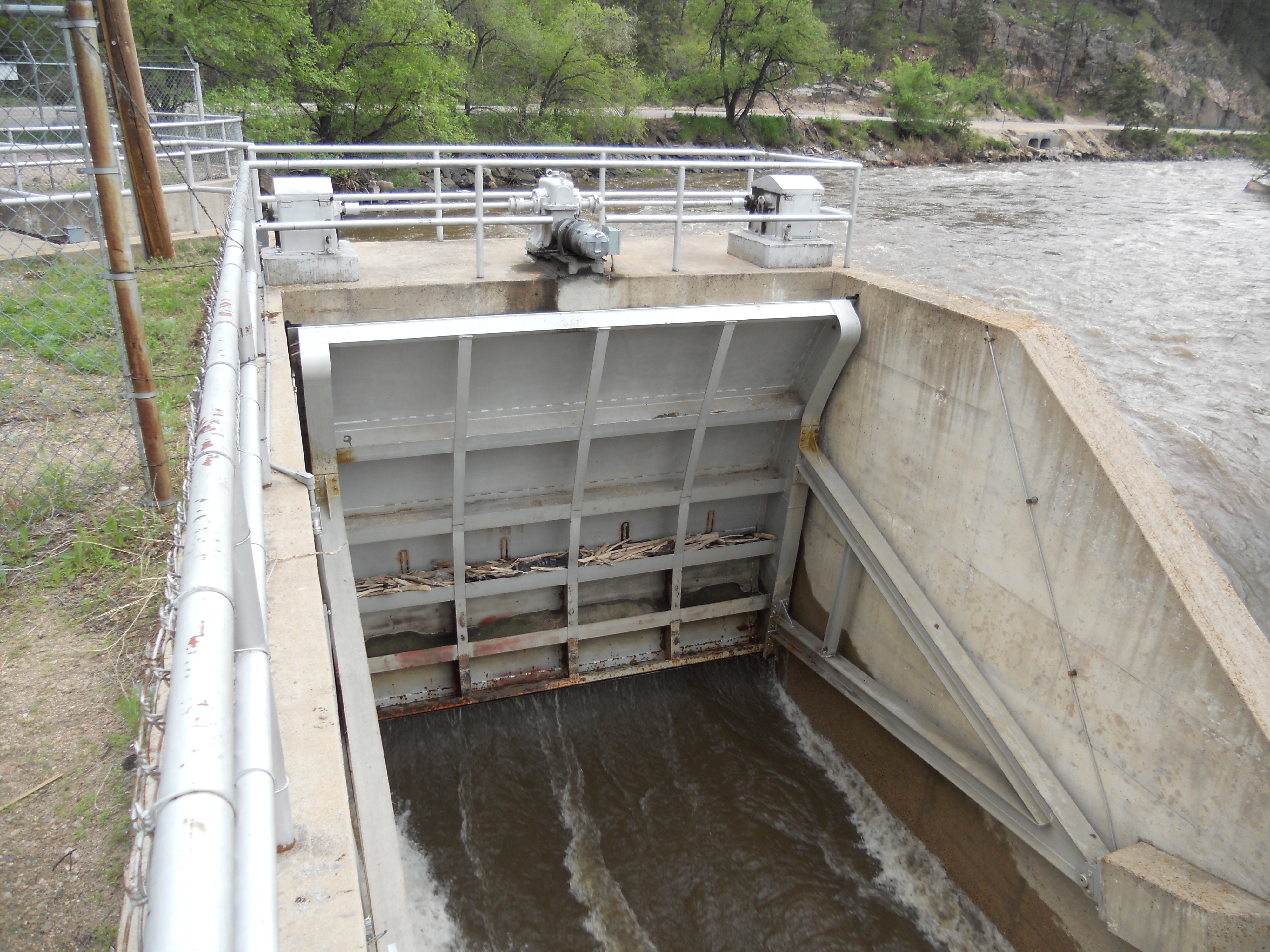
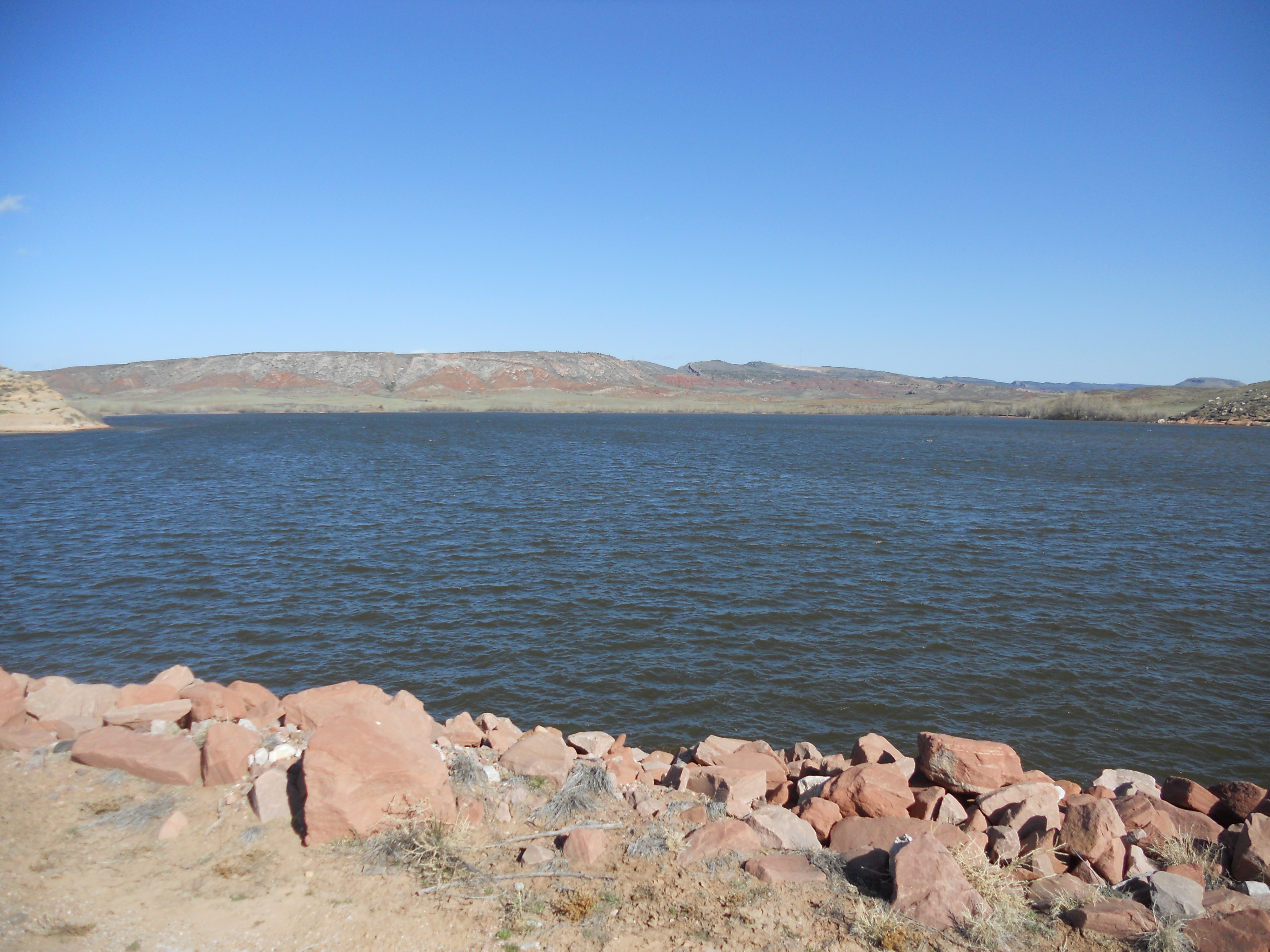
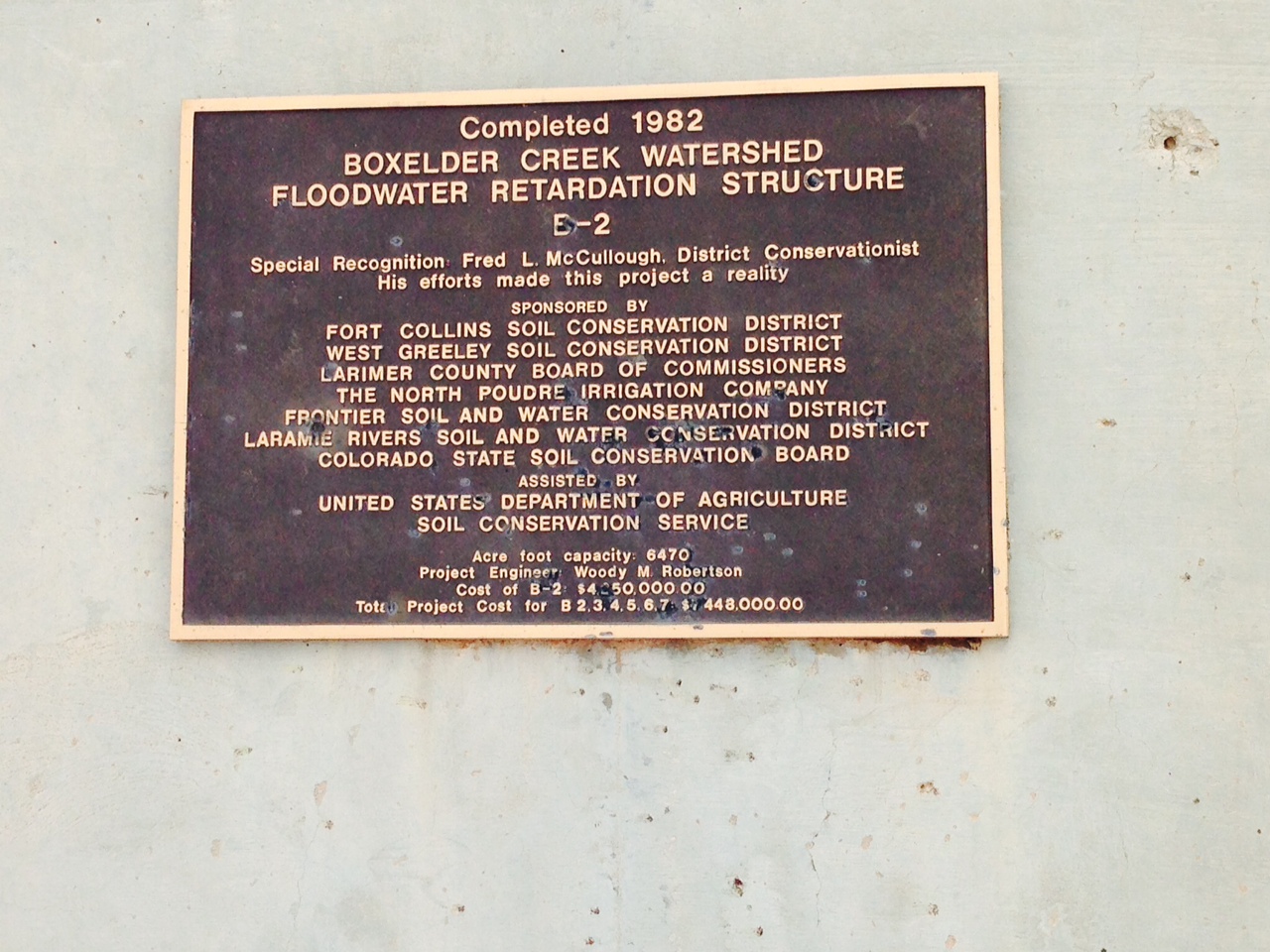
That same year brought the beginning of a solution to chronic Boxelder Creek flooding. With another flood in 1967, local sponsors, community leaders, and state and federal agencies developed the Boxelder Creek Watershed Project Plan. Five floodwater retention dams were built by the Soil Conservation Service (now NRCS). As original sponsor, NPIC assisted with acquisition of land and water rights. Construction took place 1977–1982. Under an agreement with NRCS, NPIC operates and maintains the dams today.
In 1964, the company moved to its current Wellington office. In 1976, the same intense rain event that caused the Big Thompson flood also caused significant flooding within the Cache la Poudre and Laramie River drainages for NPIC-served areas.
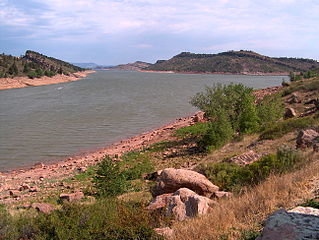
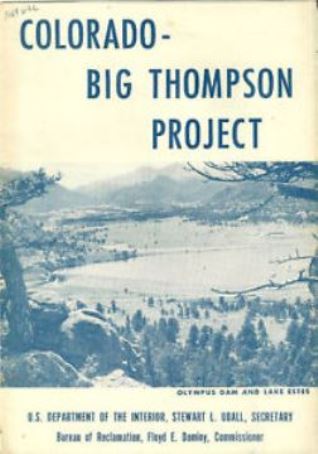
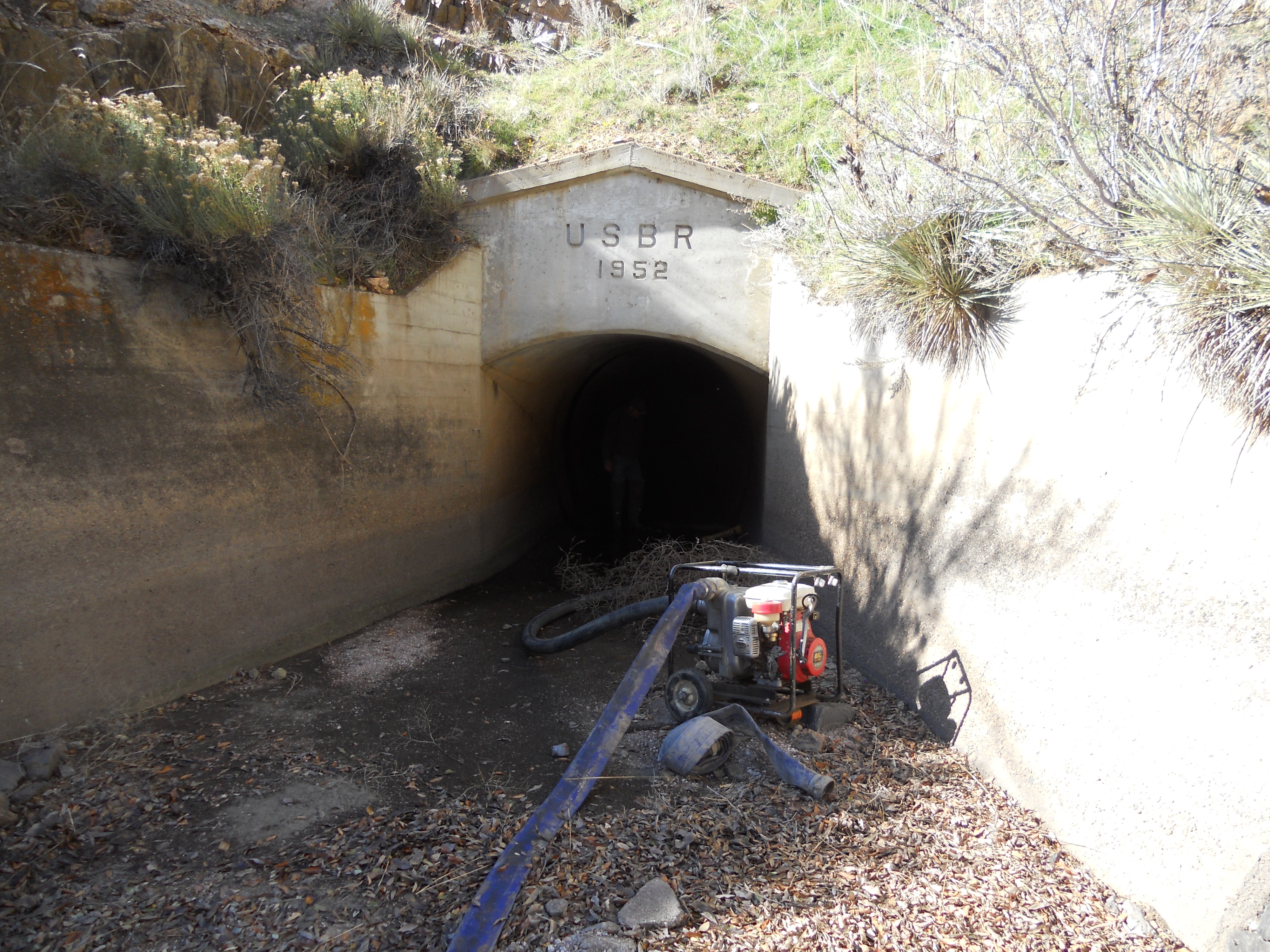
Credit: Fort Collins Museum of Discovery 201597
Credit: Fort Collins Museum of Discovery 89334_08_904
Rehabilitation & Reconsidering Halligan
In 1978, NPIC began a rehabilitation of its entire storage and delivery system — the last major rehabilitation had begun in the 1930s, almost fifty years earlier. In the early 1980s, major upgrades to Fossil Creek Reservoir were completed, optimizing storage space and improving operations for a structure built in the first decade of the twentieth century.
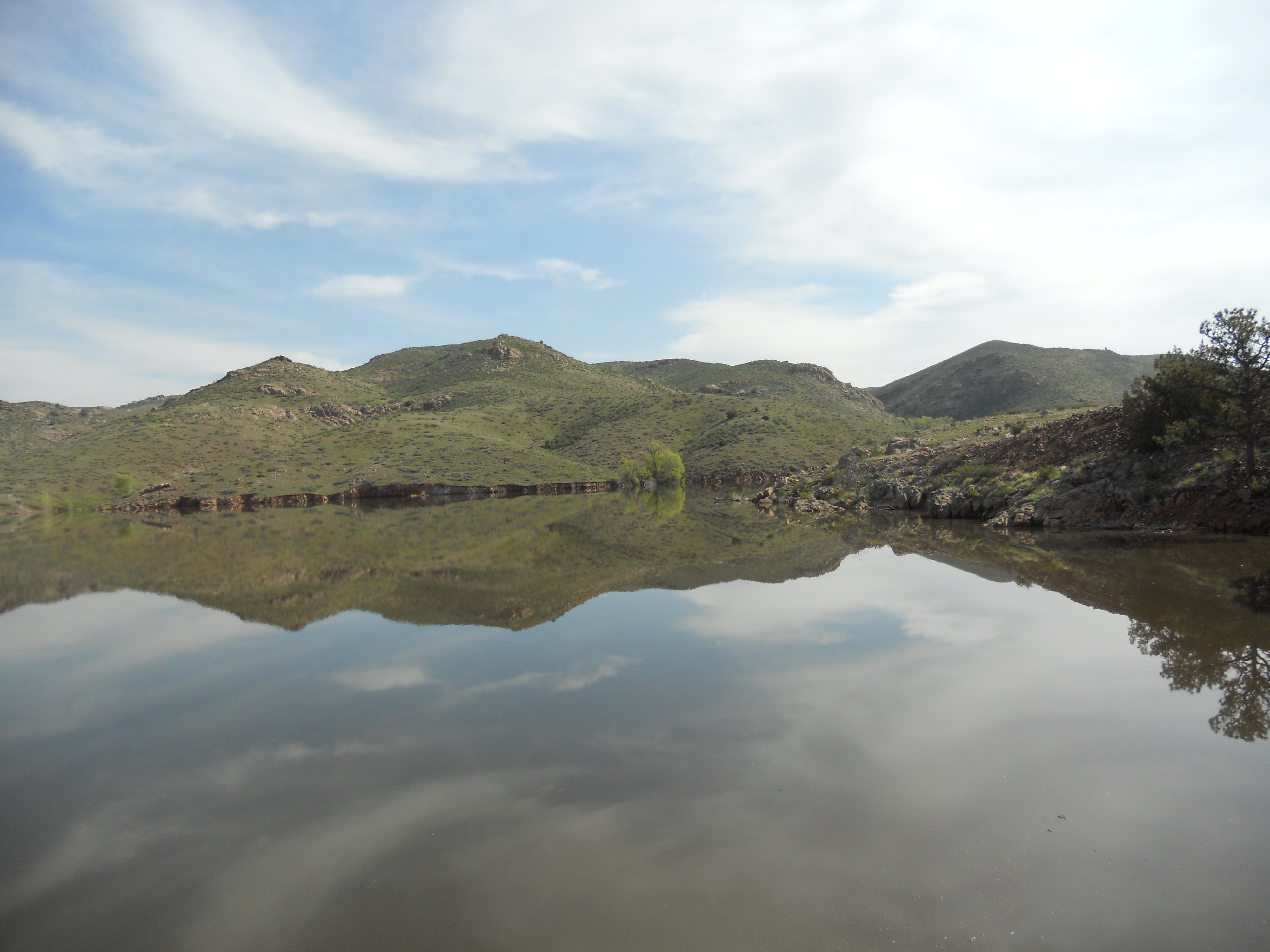
In 1985, NPIC took the first step to enlarging Halligan Reservoir. With 6,500 acre-feet of capacity, Halligan had by this time contributed to NPIC stockholders' irrigation storage needs for 75 years. Looking at future needs, NPIC and Halligan Resources Co. filed for and received a conditional water decree to increase storage to 40,000 acre-feet.
In 1989, NPIC and the City of Fort Collins completed a feasibility study for Halligan enlargement. By 1991, both Halligan Resources Co. and NPIC had sold their shares in the enlargement decree to the City of Fort Collins. In 1993, the city entered into an agreement with NPIC for purchase rights in Halligan Reservoir and continued studying enlargement.
The Second Century
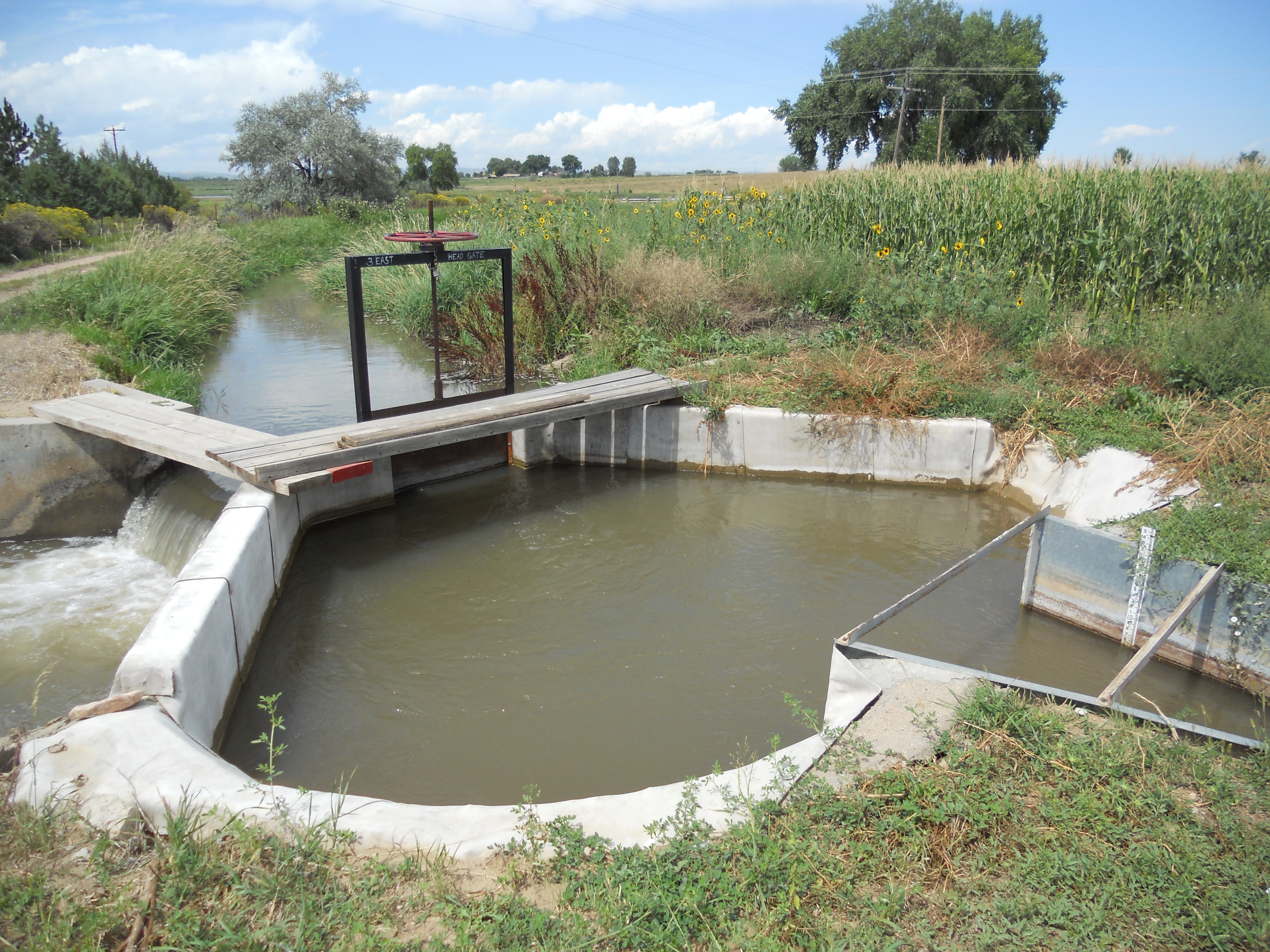
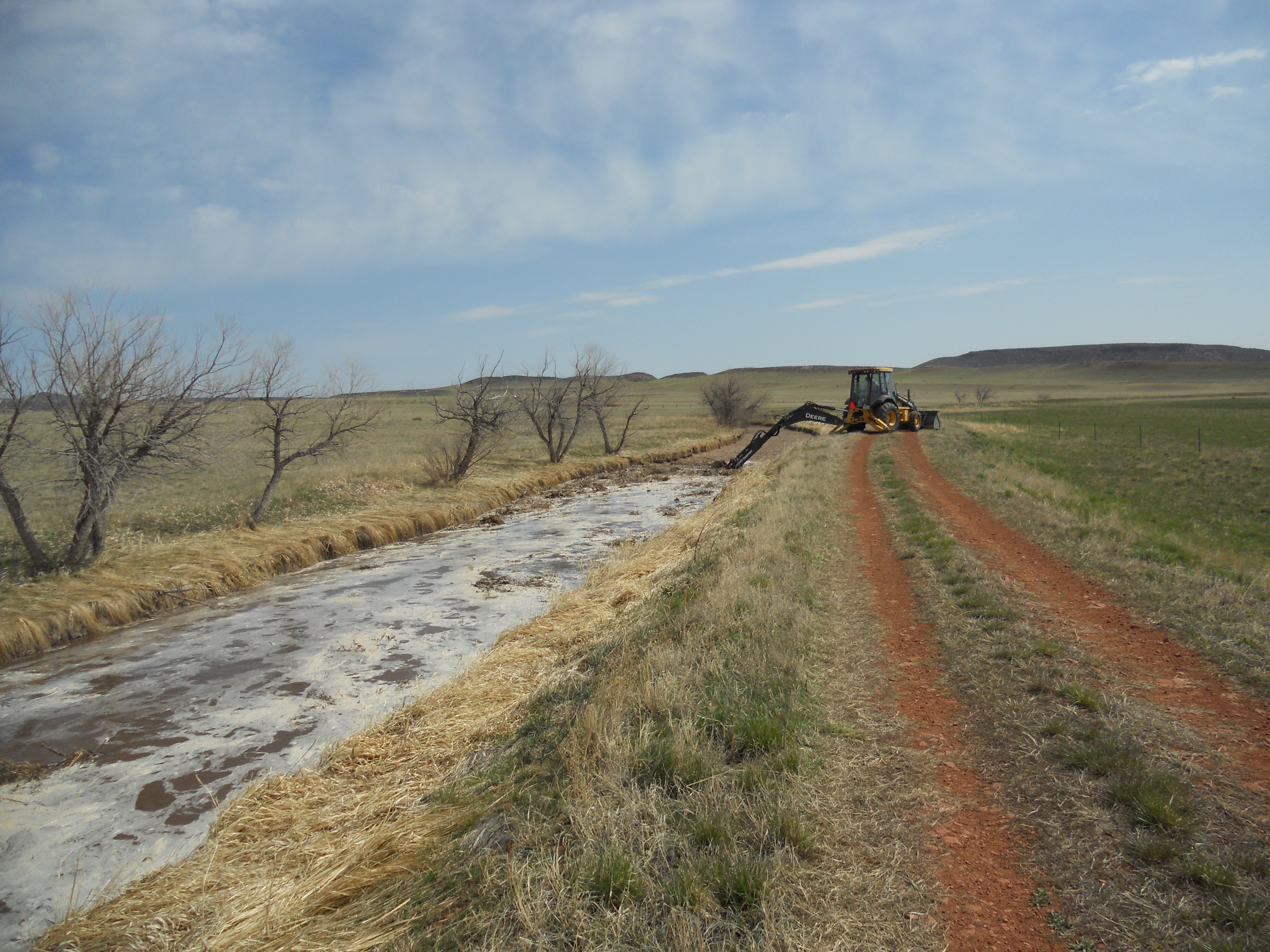
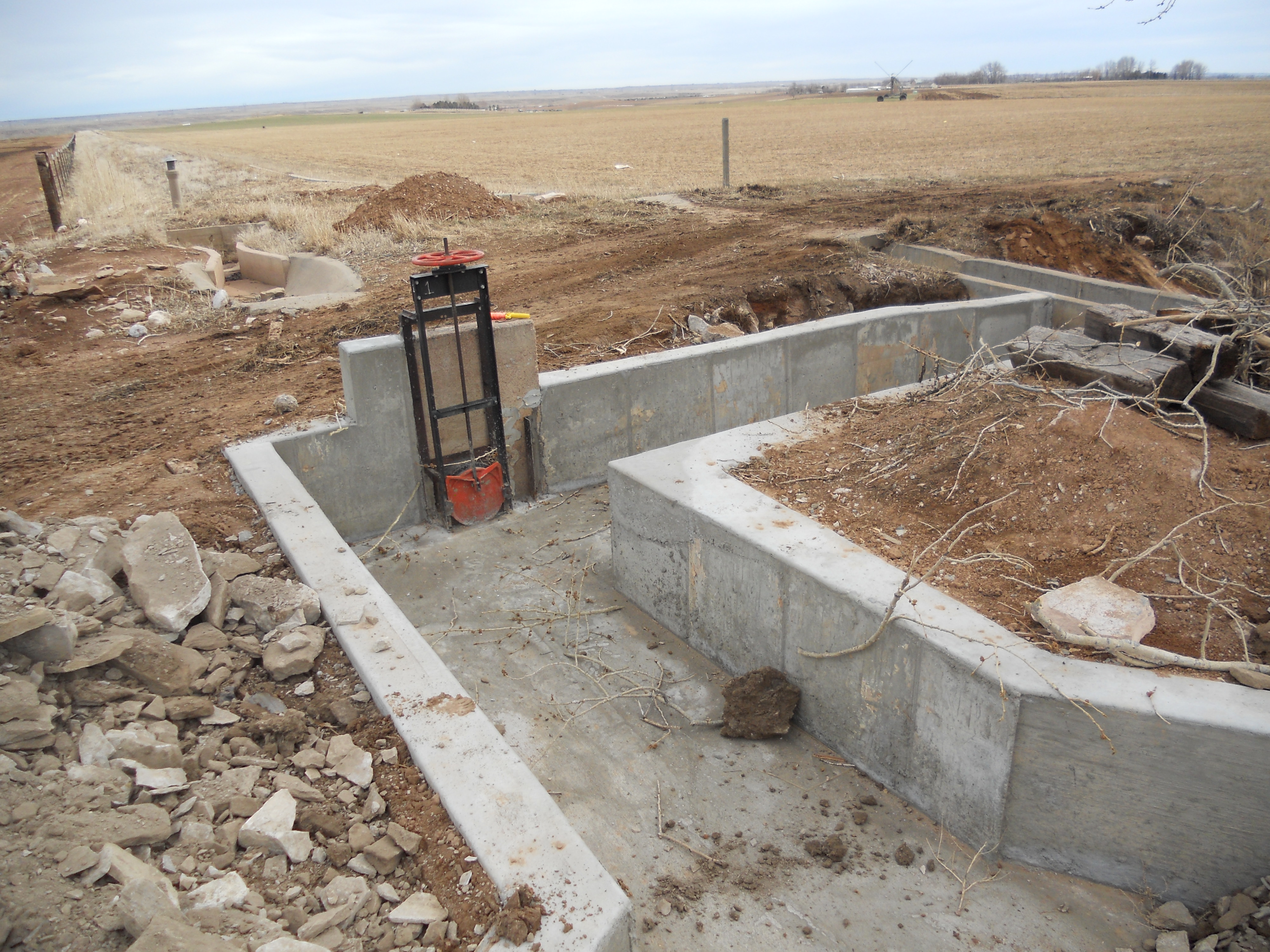
North Poudre Irrigation Company entered its second century in a familiar way: delivering water to stockholders; repairing, maintaining, and rehabilitating company infrastructure; and working with local municipal entities to enhance regional water delivery.
In 2001, much of the Buckeye Lateral was placed in a pipeline to reduce transit loss. A siltation study of Halligan Reservoir began, and Indian Creek Reservoir was rehabilitated after the 2001 irrigation season.
In 2004, NPIC entered an operations agreement for the Munroe Pipeline with Fort Collins, the Northern Colorado Water Conservancy District, and the Tri-Districts (East Larimer County, Fort Collins-Loveland, and North Weld County water districts). The pipeline — now called the Pleasant Valley Pipeline — is a diversion of C-BT water off the North Poudre Supply Canal. It allows stockholders to send water to Horsetooth Reservoir for exchange.
The 2002 Drought
NPIC held its 100th annual meeting in early 2002, but the anniversary was overshadowed by the lack of mountain snowfall. With three dry years preceding it, the 2001/2002 winter snowpack was the lowest in company history. The spring runoff ended May 23.
The Front Range began the worst drought in over 150 years. For the first time since receiving C-BT water in 1953, NPIC needed to set an appropriation limiting stockholders to one-quarter acre-foot per share to help its municipal shareholders. High temperatures emptied reservoirs statewide. Into spring 2003, municipal water was rented at $400/acre-foot; agricultural water reached $80/acre-foot.
Record March 2003 snowfall helped water flow again. For the first time in three years, the company was able to appropriate early water and the entire NPIC system ran. The drought years showed the company would need to change its delivery patterns.
Halligan Reservoir Sale and Expansion
After completing feasibility and environmental impact studies, the City of Fort Collins exercised its option to buy Halligan Reservoir from NPIC. The deal closed in January 2004, ending almost 94 years of company ownership of a pioneering structure in northern Colorado water management.
NPIC retains its senior water storage right and refill right in the reservoir and remains a partner in operation and maintenance of the dam.
In the same year, NPIC and the Tri-Districts agreed to partner with Fort Collins for the Halligan expansion project. The permitting process began in 2006 as the Halligan-Seaman Water Management Project. Fort Collins and Greeley agreed to combine individual projects for enlarging Halligan and Seaman reservoirs into a single permitting process.
In 2009, the Tri-Districts withdrew as partners. In spring 2014, after spending $1.8 million on the still-incomplete permitting process, NPIC also decided to withdraw.
September 2013 Flood
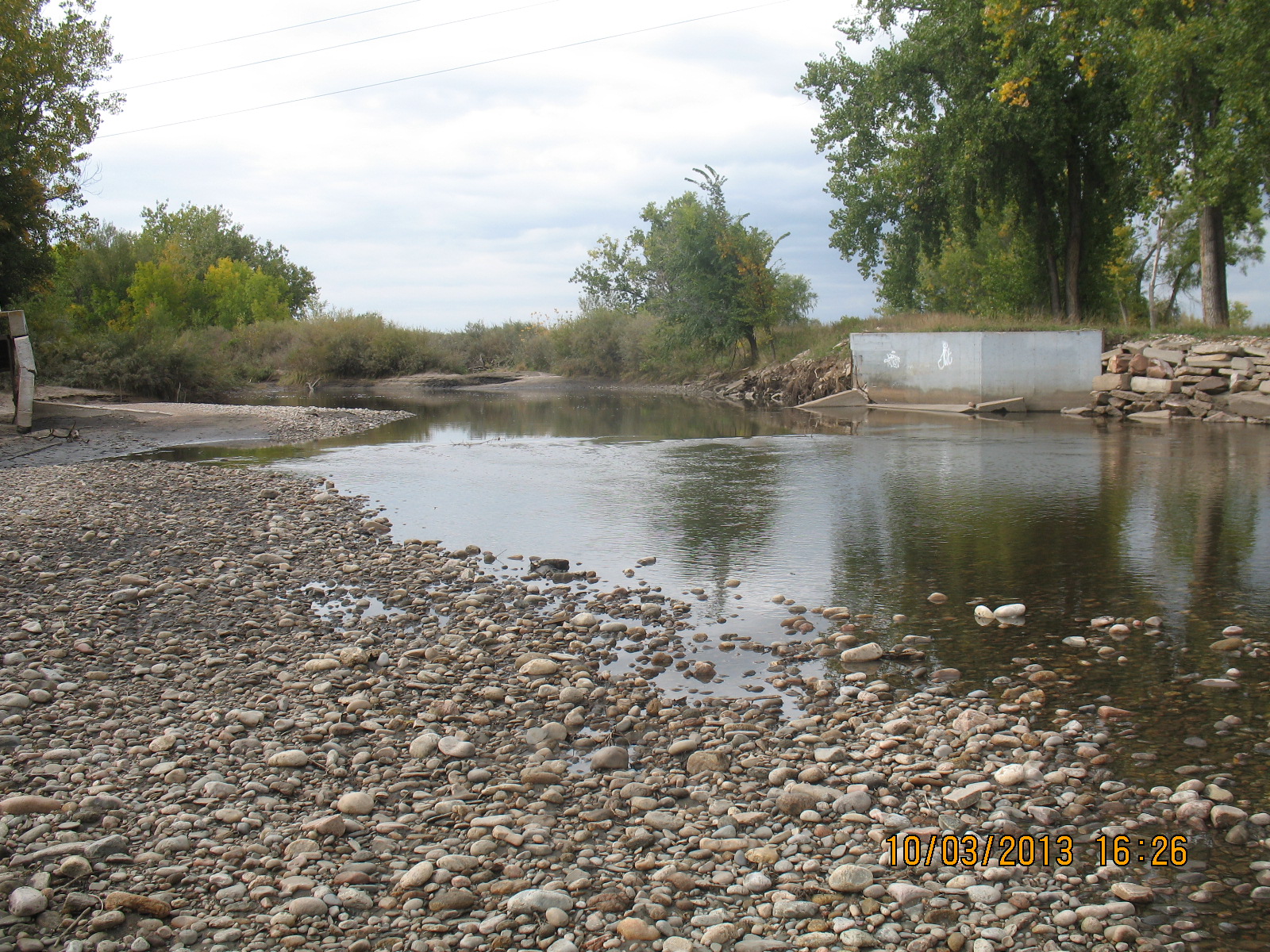
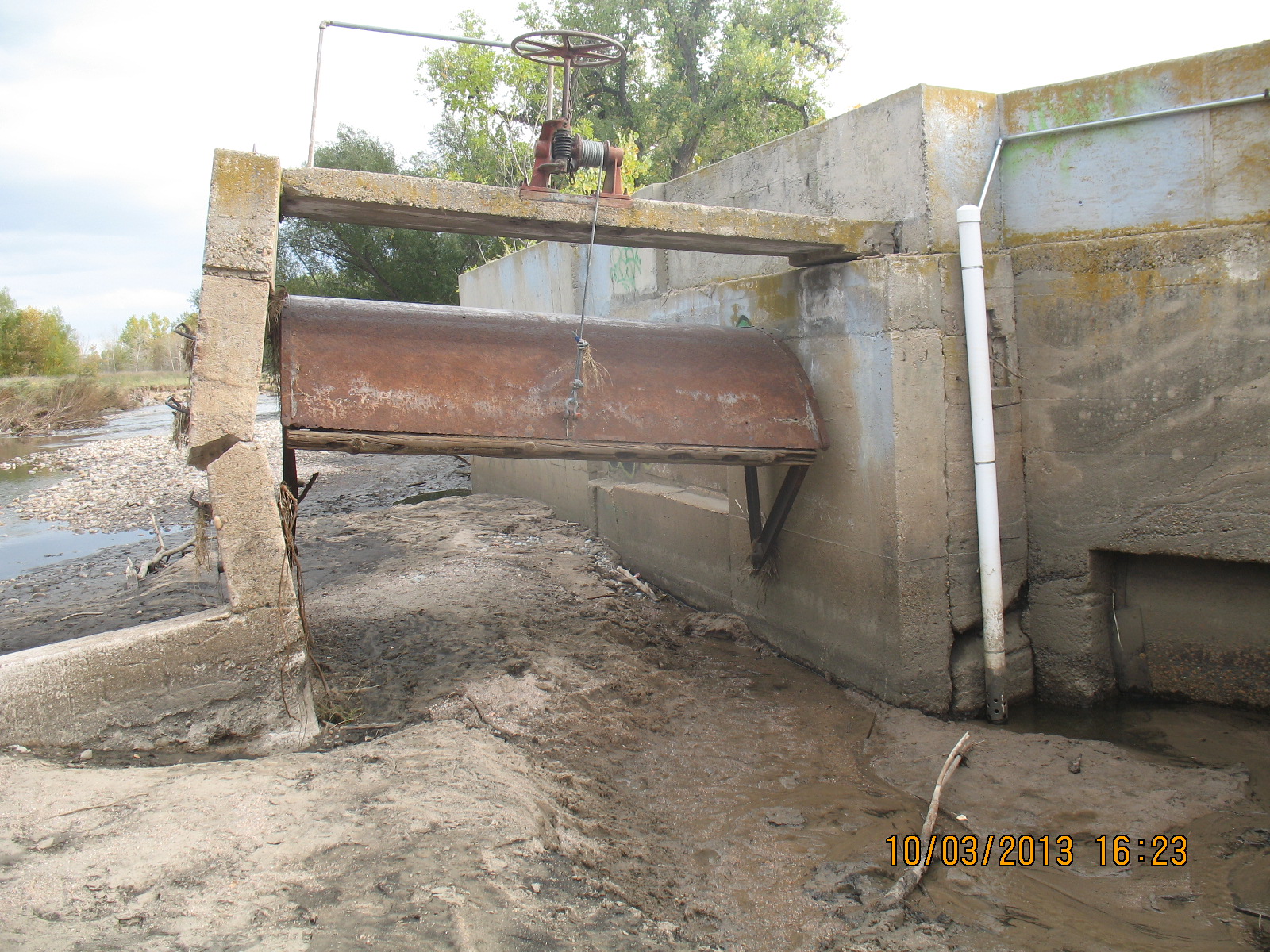
Several days of intense rain in September 2013 produced significant flooding in Larimer County. The Cache la Poudre River reached peak flows of up to 10,000 cubic feet per second in certain locations. The Fossil Creek Inlet Ditch diversion structure — designed to carry approximately 400 cfs, rebuilt in the 1980s — was destroyed. Reconstruction was completed in 2015.
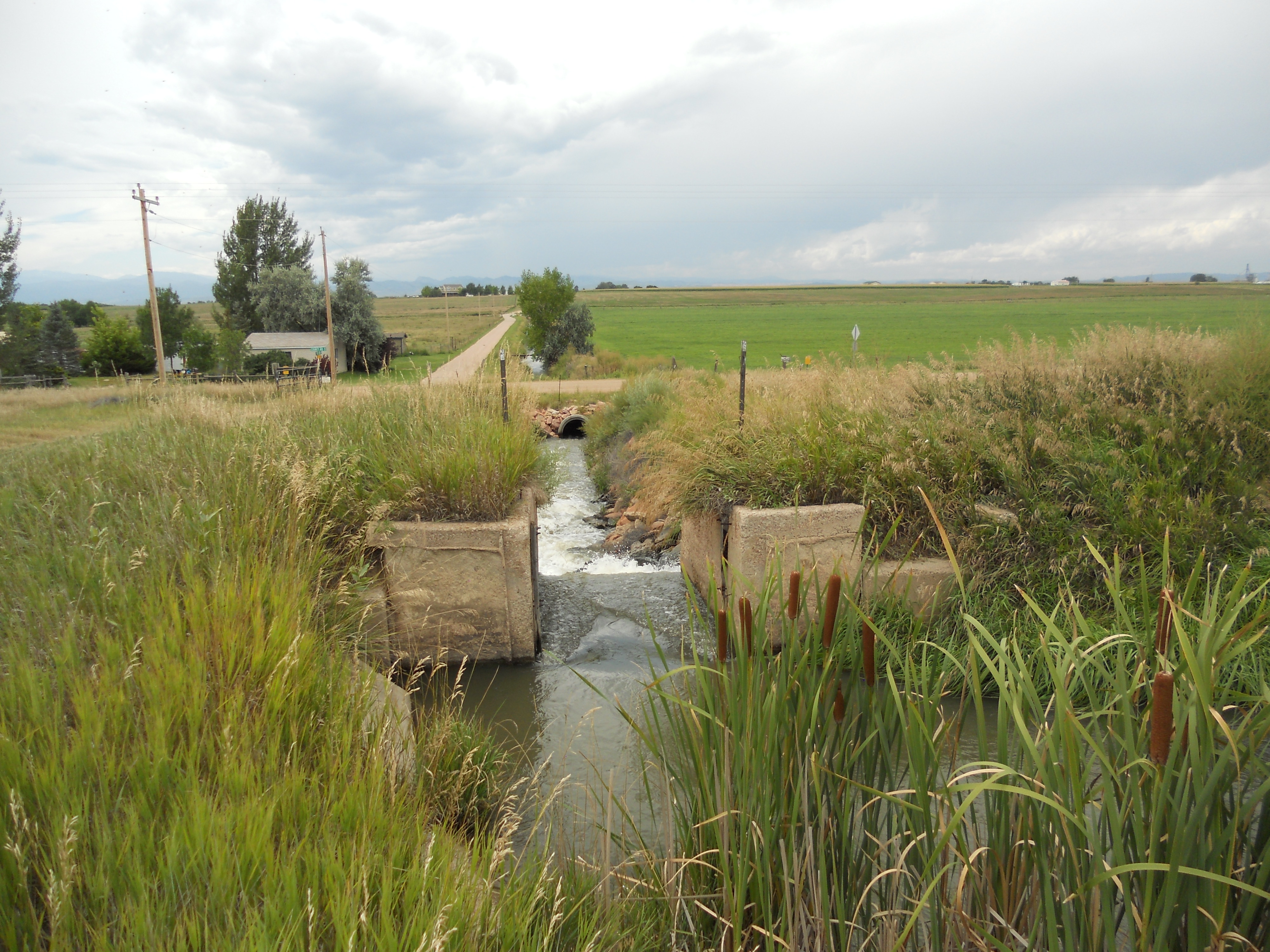
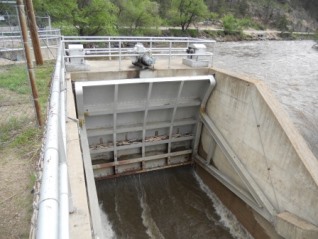
Throughout the NPIC system, infrastructure shows the wear and tear of deferred maintenance. A high priority of the board and staff is repair and rehabilitation.
To the Future
North Poudre Irrigation Company began with developing a system to deliver water to farmers. As recently as the early 1970s, almost all of the company's stockholders made their living with agriculture. The development and population growth in north-central Colorado over the last 45 years has changed both the mix of NPIC water users and the environment in which the company operates.
Today, 75% of NPIC-delivered water is used by municipal water entities and 25% by people engaged either full-time or part-time in agriculture. Environmental, political, and competitive concerns that didn't exist when Burton Sanborn and the group of Greeley developers took a chance on buying the assets of the North Poudre Land and Canal Company now make the delivery of water in Colorado a complicated and multi-faceted business.
"Our intent is to keep an agricultural core, serve our current shareholders, and adapt to the water situation of the 21st century."
Historical research: "Origin of the North Poudre Irrigation Company" by Ann Hilfinger, Colorado State University Libraries, 1993. Historical photographs courtesy of the Fort Collins Museum of Discovery.